Living in a compact home does not mean compromising on style or comfort. In cities around the world, designers are proving that small spaces can feel generous, purposeful and genuinely beautiful when approached with the right mindset. The secret lies not in cramming more into a room, but in editing thoughtfully and letting each element earn its place.
Thinking Vertically
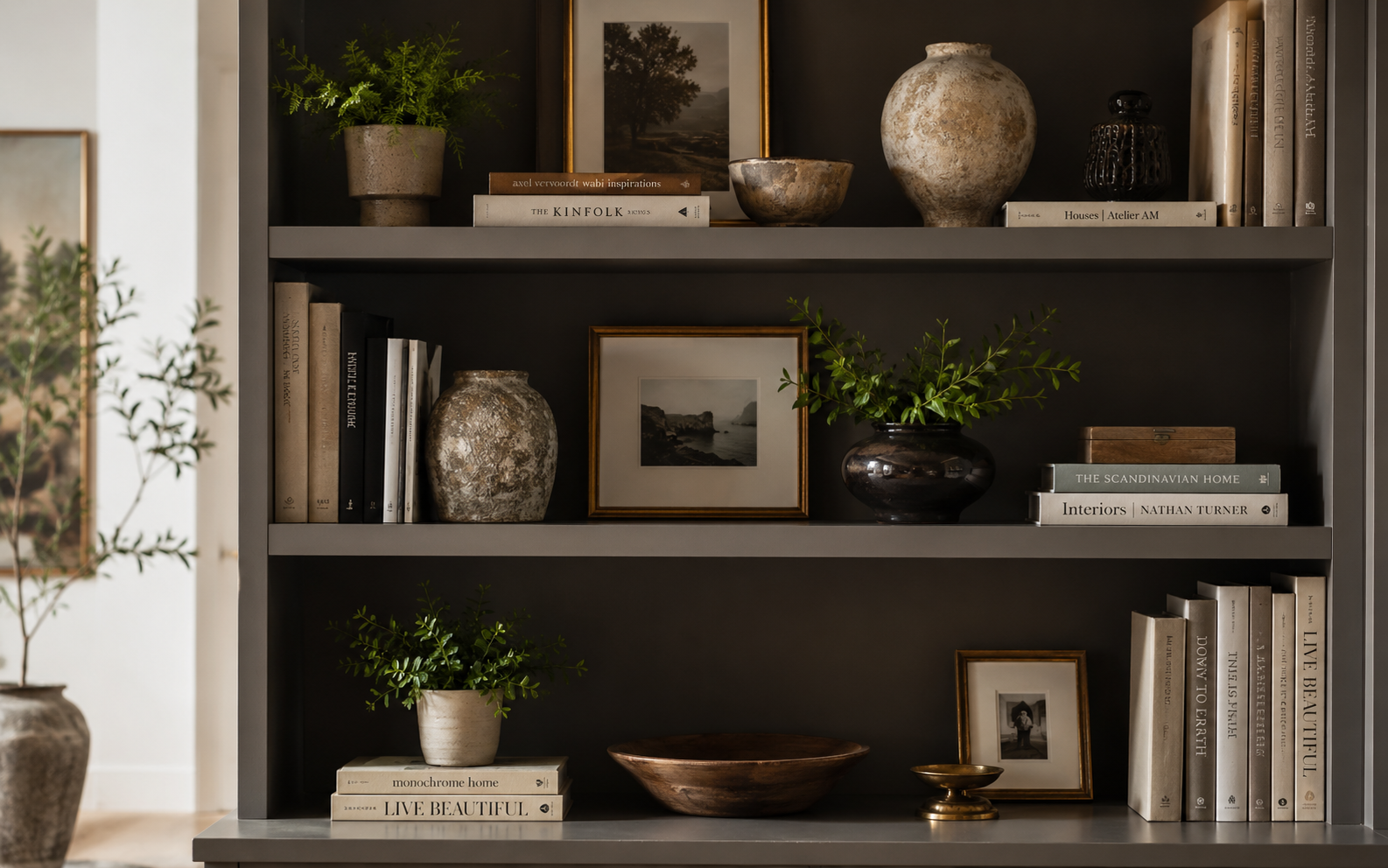
When floor space is limited, walls become your most valuable asset. Tall bookcases, floating shelves and wall-mounted storage draw the eye upward and create a sense of height that compact rooms often lack. Consider installing shelving all the way to the ceiling, using the upper reaches for less frequently accessed items while keeping everyday essentials within arm's reach.
Vertical thinking extends beyond storage. A tall mirror leaned against a wall reflects light and creates the illusion of depth. Hanging planters free up surface area while bringing greenery into the room. Even artwork hung slightly higher than usual can make a ceiling feel loftier than it truly is.
Multi-Functional Furniture
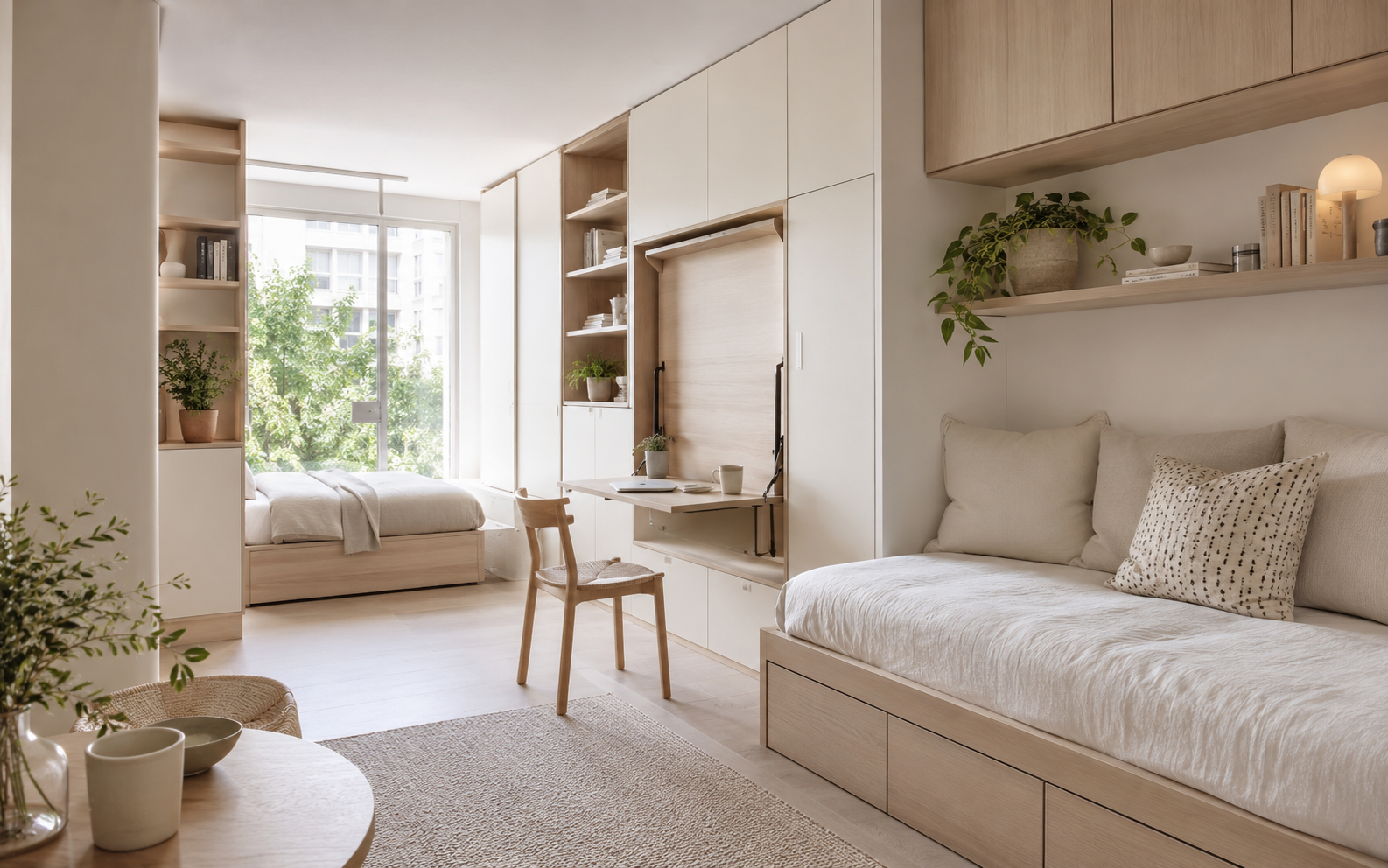
Every piece of furniture in a small home should serve more than one purpose. A dining table that doubles as a desk, a sofa bed for overnight guests, or an ottoman with hidden storage inside are all smart investments. These are not the clunky convertible pieces of decades past. Modern multi-functional furniture is designed with clean lines and quality materials that look intentional rather than compromised.
Built-in furniture is another powerful tool. A window seat with drawers underneath, a bed frame with integrated shelving, or a bench that conceals shoe storage in the hallway all take advantage of space that might otherwise go unused. The key is planning these elements early in the design process so they feel seamless rather than afterthoughts.
Light and Colour Strategies
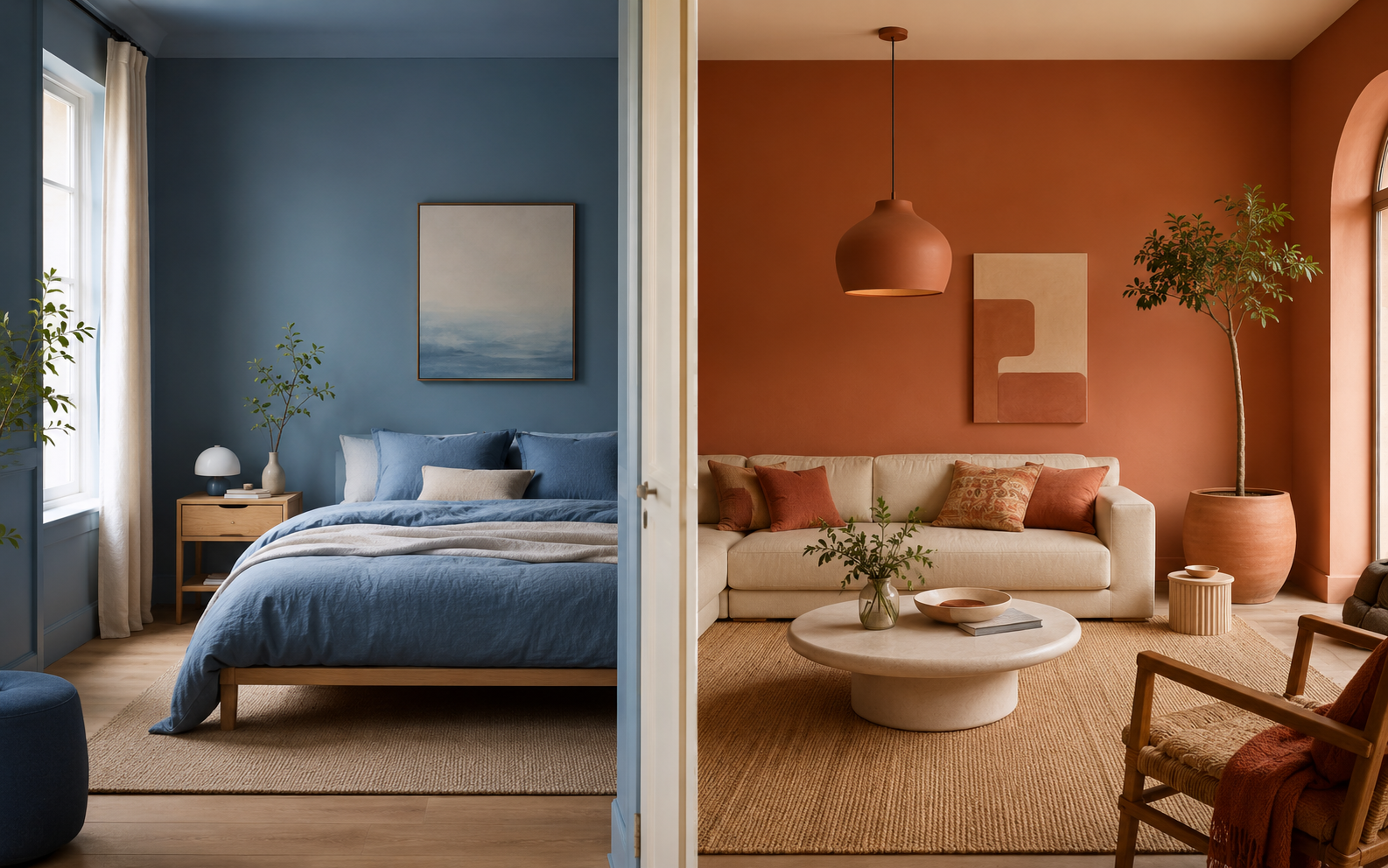
Pale, warm tones on walls and ceilings help small rooms feel airy and open. Soft whites, warm greys and muted creams reflect natural light and prevent the boxed-in feeling that darker colours can create in tight quarters. That said, a single accent wall in a deeper shade can add drama and depth when used sparingly.
Natural light is paramount. Avoid heavy curtains that block windows, opting instead for linen panels or Roman blinds that can be fully drawn back during the day. If privacy is a concern, sheer fabrics filter light beautifully while still maintaining a sense of openness. Mirrors placed opposite windows will bounce light deeper into the room.
Editing and Restraint
Perhaps the most important principle in small space design is the discipline to edit. Not every surface needs decoration, and not every corner needs filling. A well-chosen few objects will always look better than a crowded collection, and negative space gives the eye a place to rest. This approach creates calm, considered rooms that feel larger than their dimensions suggest.
Invest in quality over quantity. A single beautifully crafted side table will serve you better than three mediocre ones. Choose storage solutions that hide visual clutter behind closed doors, and maintain a regular habit of decluttering. In a small home, everything you own is on display, whether you intend it to be or not.