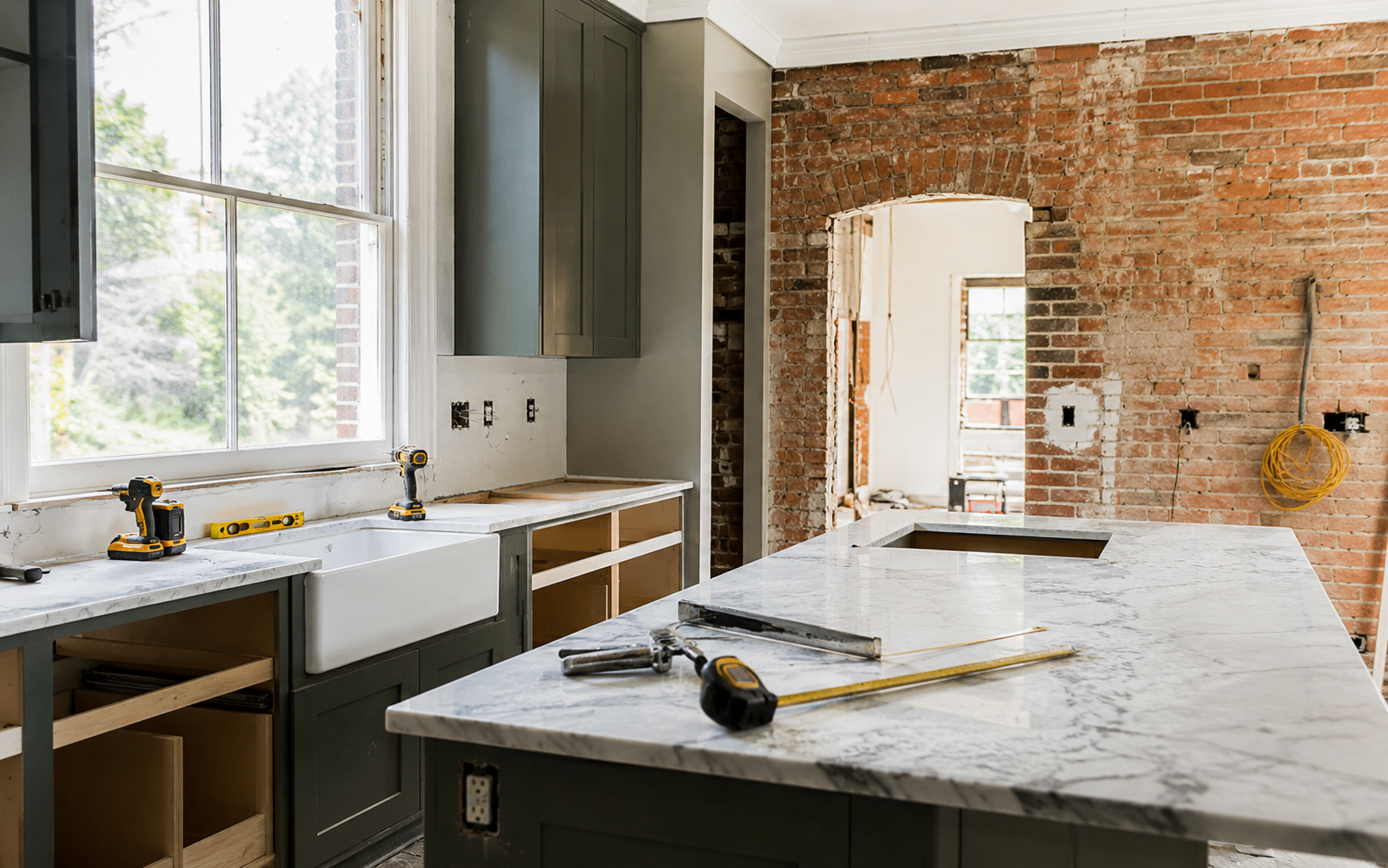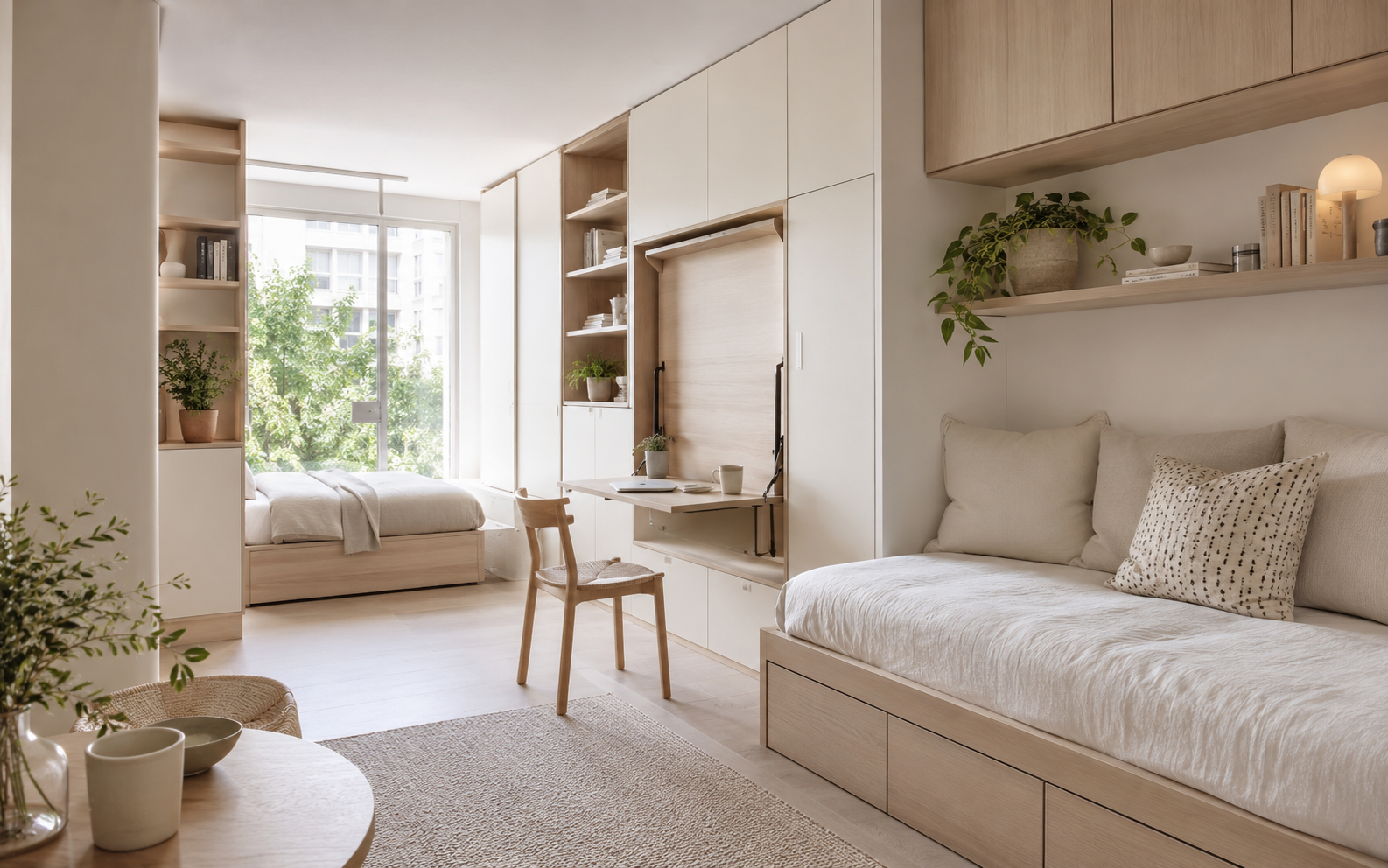
For the better part of two decades, open-plan living has been the default aspiration for home renovators. Knock down the walls between kitchen, dining and living areas to create one generous, light-filled space. The appeal is obvious, and for many households it remains the right choice. But a growing number of designers and homeowners are questioning whether completely open layouts serve every family equally well. As noted by Bob Vila, understanding the trade-offs is essential before committing to a major structural change.
The Case For Open Plan
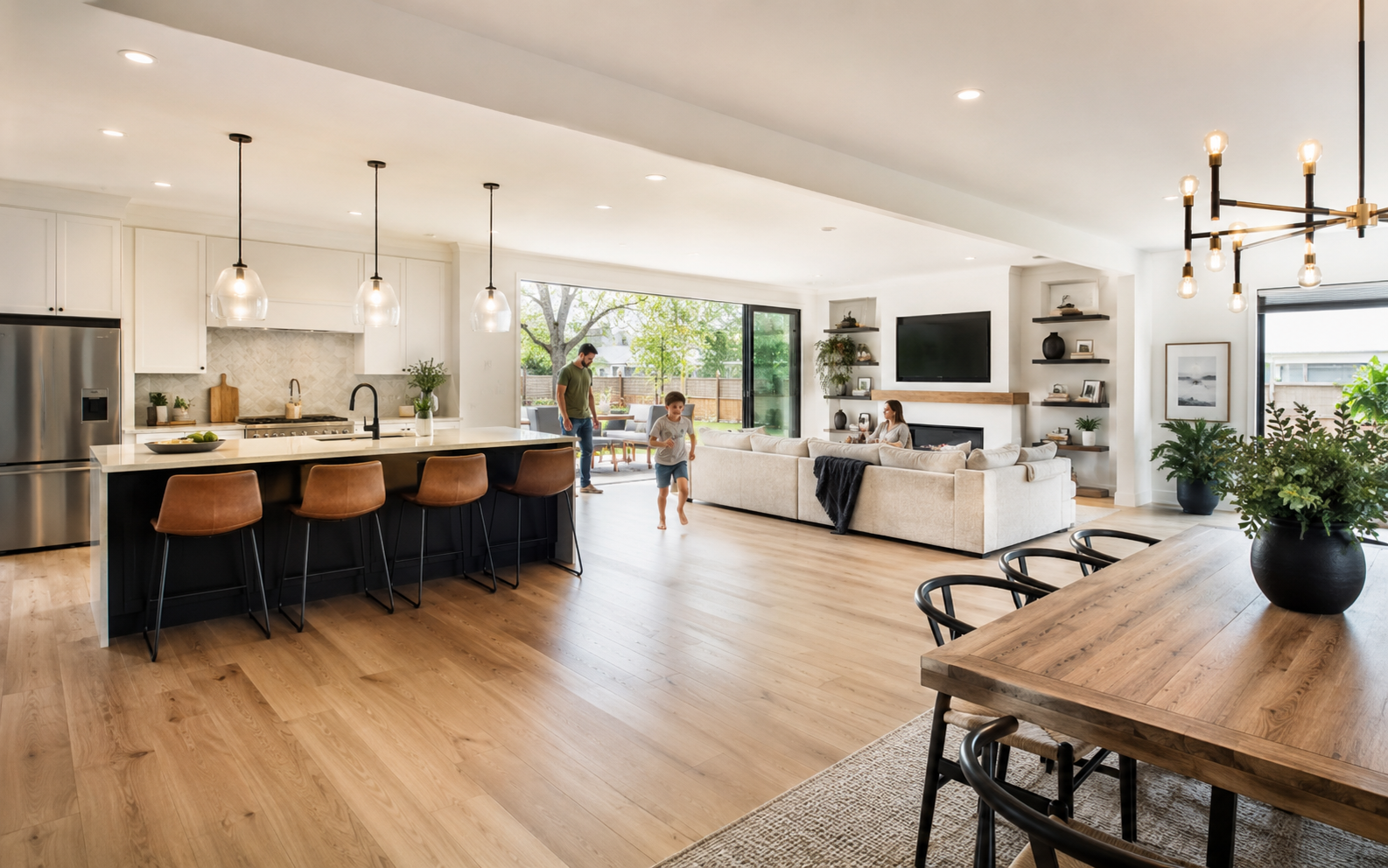
The most compelling argument for open-plan living is the sense of space it creates. Removing walls allows natural light to travel deeper into the home, making rooms feel larger and more connected to the outdoors. For families with young children, an open layout means parents can cook dinner while keeping an eye on the kids in the adjoining living area.
Open plans also encourage sociability. The cook is no longer isolated in a separate kitchen but is part of the conversation, whether that is a casual family evening or a larger gathering of friends. The flow between cooking, eating and relaxing becomes seamless, and the home feels more democratic as a result.
The Case Against
The pandemic years brought the limitations of open-plan living into sharp focus. When multiple family members needed to work, study and relax simultaneously in the same home, the lack of acoustic separation became a real problem. Noise from a kitchen blender during a video call, or a television competing with homework time, revealed that walls serve a purpose beyond simply holding up the ceiling.
Cooking smells are another practical consideration. In a closed kitchen, the scent of last night's curry dissipates relatively quickly. In an open-plan space, it permeates soft furnishings, curtains and carpets throughout the entire ground floor. Similarly, the visual clutter of a busy kitchen, the dirty pans, the cluttered benchtops, is always on display when there is no wall to hide behind.
The Broken-Plan Compromise
An increasingly popular middle ground is broken-plan living, which uses partial walls, sliding doors, glass partitions and changes in floor level to define zones within a broadly open layout. A half-height wall between the kitchen and living area, for example, conceals benchtop mess while maintaining a sense of openness. Pocket doors can be drawn closed when privacy is needed and tucked away when sociability is preferred.
Furniture placement also plays a role. A large sofa positioned with its back to the kitchen naturally creates a visual and psychological boundary between the two zones. A freestanding bookcase, a change in flooring material, or even a shift in paint colour can delineate spaces without the need for structural walls.
Making the Decision
Before picking up a sledgehammer, consider your household's specific needs. How many people live in the home, and do they need separate quiet spaces? Do you cook frequently, and does kitchen mess bother you? Do you entertain often, and would an open layout enhance the experience? The answers to these questions will determine whether full open plan, broken plan, or even retaining separate rooms is the right approach for your home.
There is no universal answer. The best layout is one that reflects how you actually live, not how a magazine suggests you should. And if you are uncertain, broken-plan solutions offer flexibility that fully open or fully closed layouts cannot match.