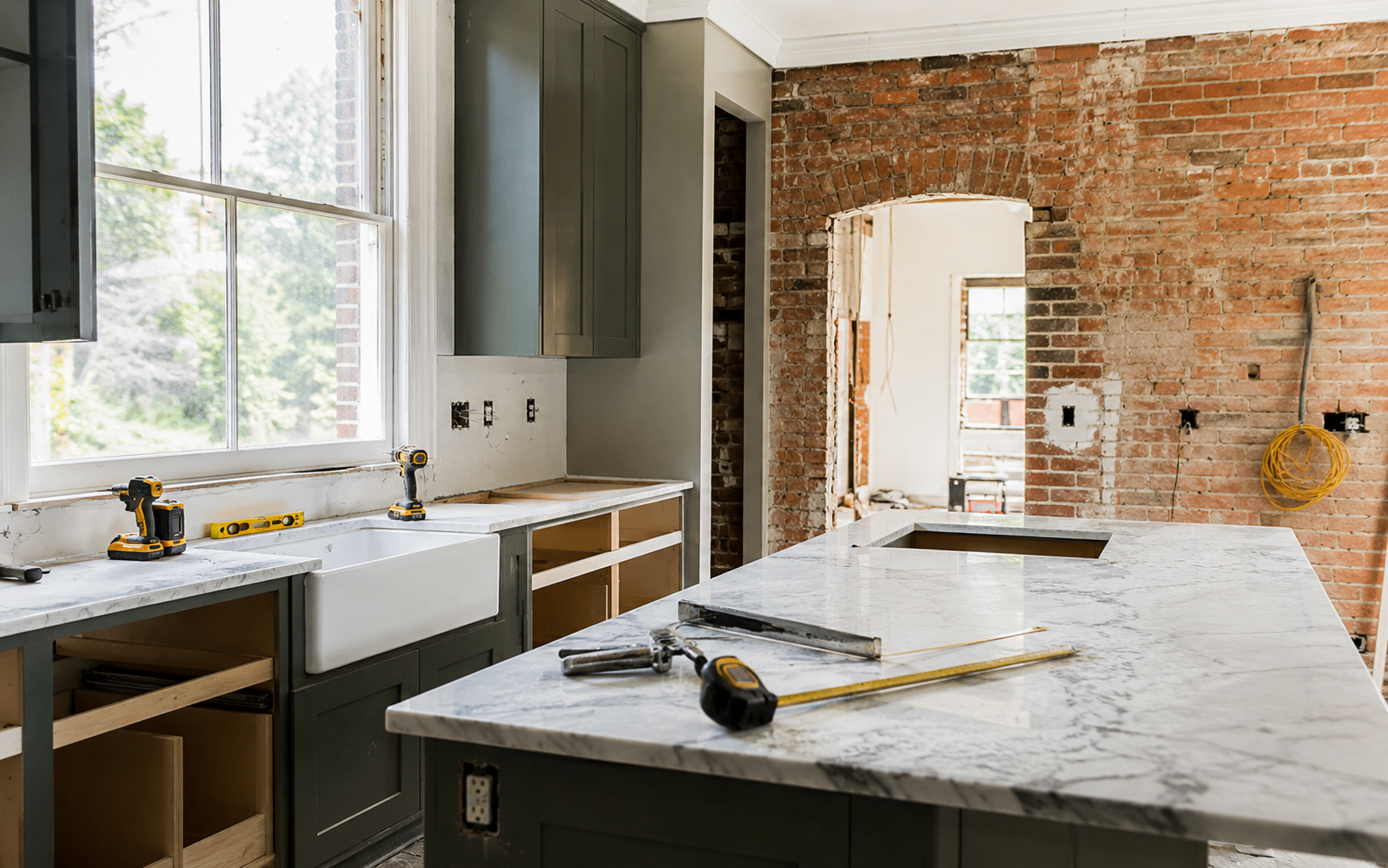
A kitchen renovation is one of the most significant investments you can make in your home. It is also one of the most complex, involving structural decisions, plumbing, electrical work, materials selection and a budget that can spiral without careful planning. Having guided many homeowners through the process, here are the principles that consistently lead to successful outcomes.
Start With the Layout
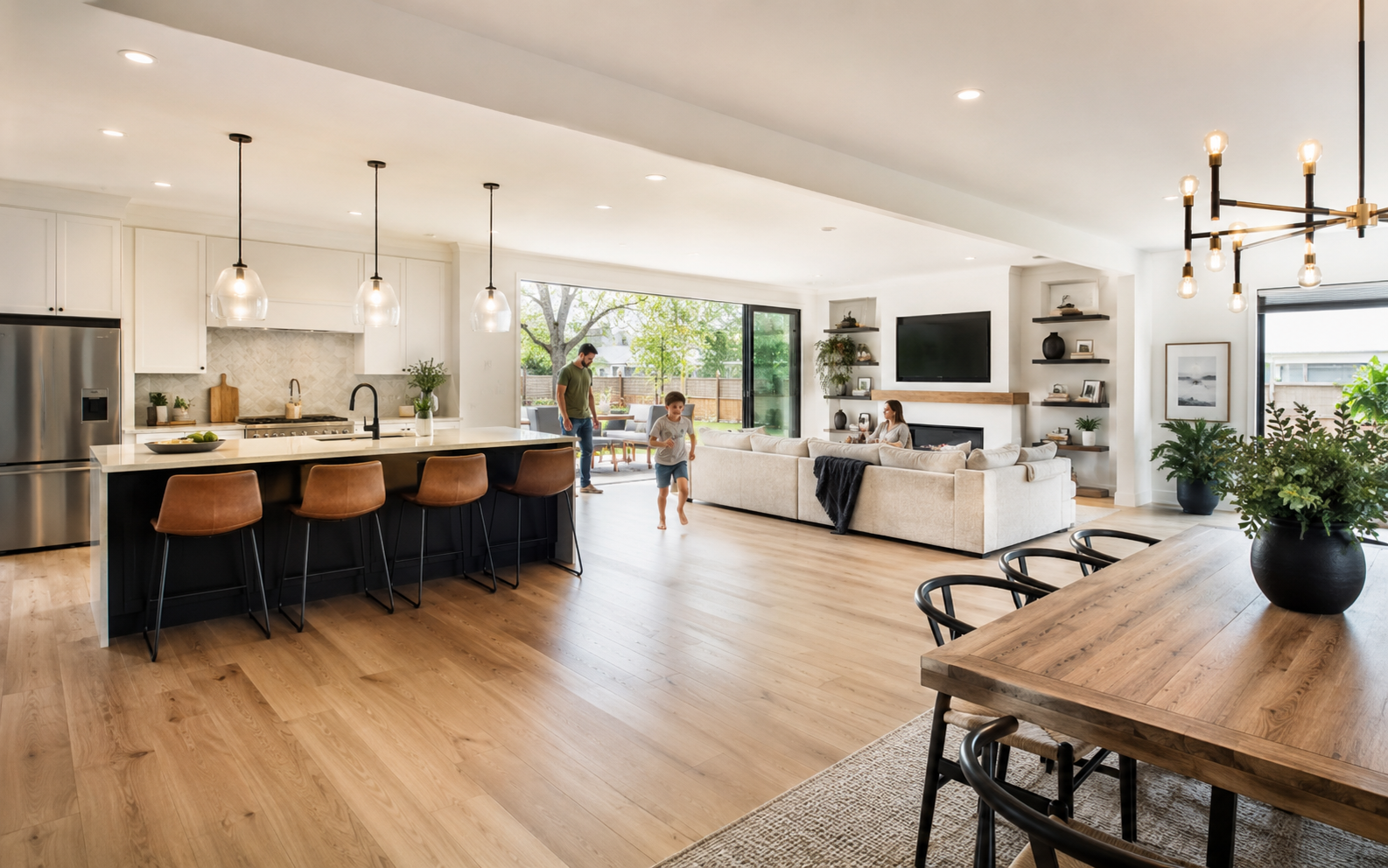
Before choosing tiles or cabinet colours, focus on how you actually use your kitchen. The classic work triangle between sink, cooktop and refrigerator remains a sound starting point, but modern kitchens serve many more functions than cooking alone. Consider where you prep food, where children do homework, where you set down shopping bags and where you stand when entertaining guests.
If your current layout works well functionally, think carefully before changing it. Relocating plumbing and gas connections is expensive and can eat into your budget for finishes. Sometimes the most effective renovation is one that keeps the bones intact while upgrading everything around them.
Invest Where It Matters
Not all elements of a kitchen carry equal weight. Cabinetry and benchtops are the surfaces you see and touch most often, so these deserve the largest share of your budget. Quality soft-close hinges, solid timber or well-constructed plywood carcasses, and durable stone or composite benchtops will outlast trend-driven alternatives by decades.
Conversely, decorative elements like handles, tapware and light fittings are relatively inexpensive to update later. Choose timeless options if your budget is tight, knowing you can swap them out in a few years without major disruption. Appliances fall somewhere in between; buy the best you can afford, as a reliable oven and dishwasher will save you frustration daily.
Materials and Finishes
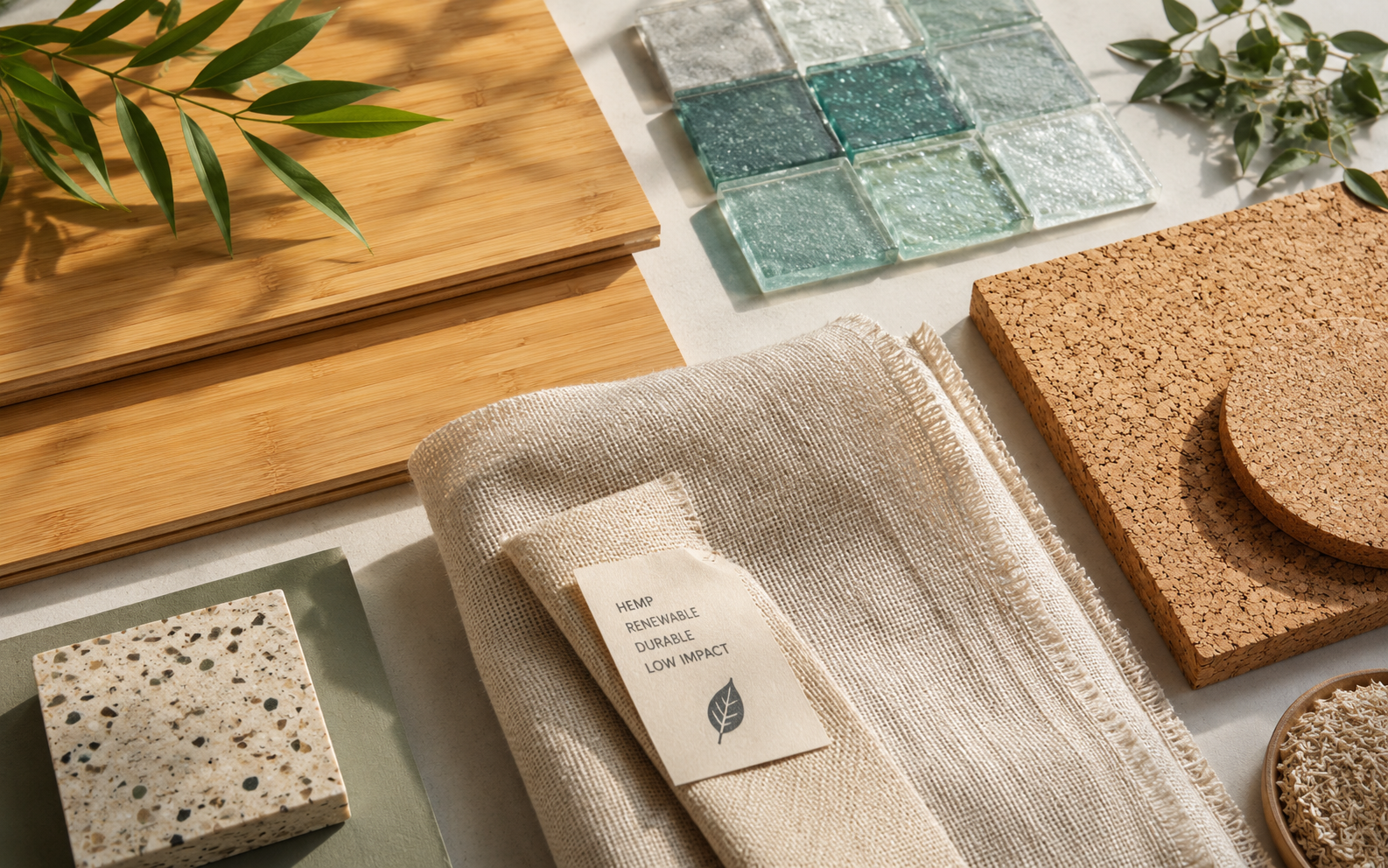
Kitchens endure heavy use, so durability is non-negotiable. Porcelain or natural stone floor tiles withstand years of foot traffic and spills far better than timber, which can warp near sinks and dishwashers. For splashbacks, large-format tiles or a single slab of stone reduce grout lines and simplify cleaning.
Colour-wise, avoid anything that feels overly fashionable. The all-white kitchen that dominated the last decade is already giving way to warmer, earthier palettes. Opt for tones you genuinely love rather than what appears most frequently on social media. A kitchen renovation should last fifteen to twenty years, and your palette should feel just as right at the end of that period as it does on day one.
Budgeting Realistically
A common mistake is underestimating costs. As a rule of thumb, set aside ten to fifteen percent of your budget as a contingency for unexpected issues like hidden plumbing problems or structural surprises. Get detailed quotes from at least three contractors, and ensure every quote covers the same scope of work so you are comparing like with like.
Consider phasing the work if budget is a concern. You might complete the cabinetry and layout now, then upgrade the splashback or lighting in a year or two. A well-planned kitchen with modest finishes will always serve you better than a half-finished one with premium materials sitting in boxes.